
LeMon Everyone's Clinic Ichikawa
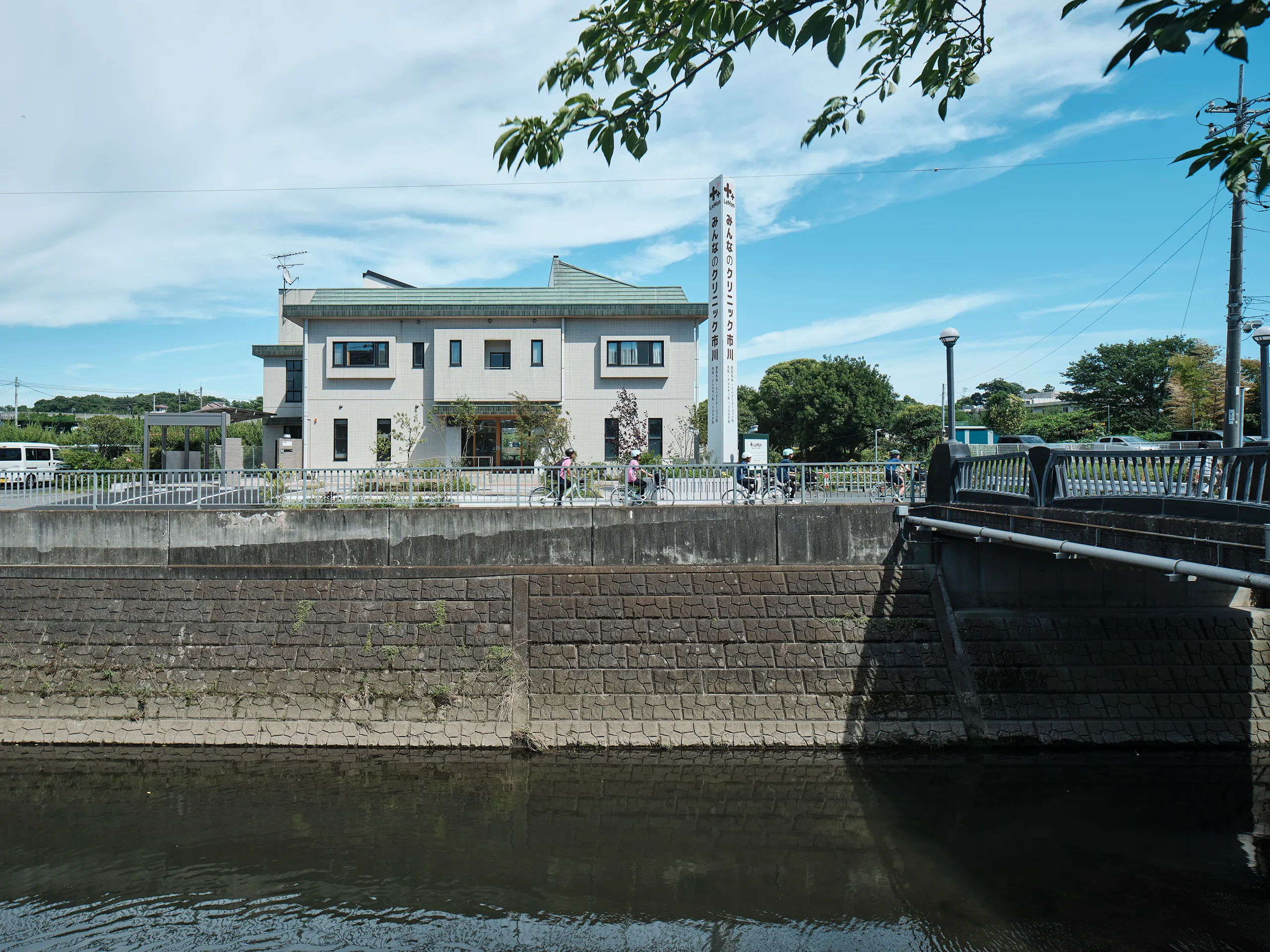
The site is located in an Urbanization Control Area, separated from the adjacent urban district by a river. The cherry-tree-lined riverbank and the expansive fields surrounding the site are well-loved by local residents as a route for their daily walks.
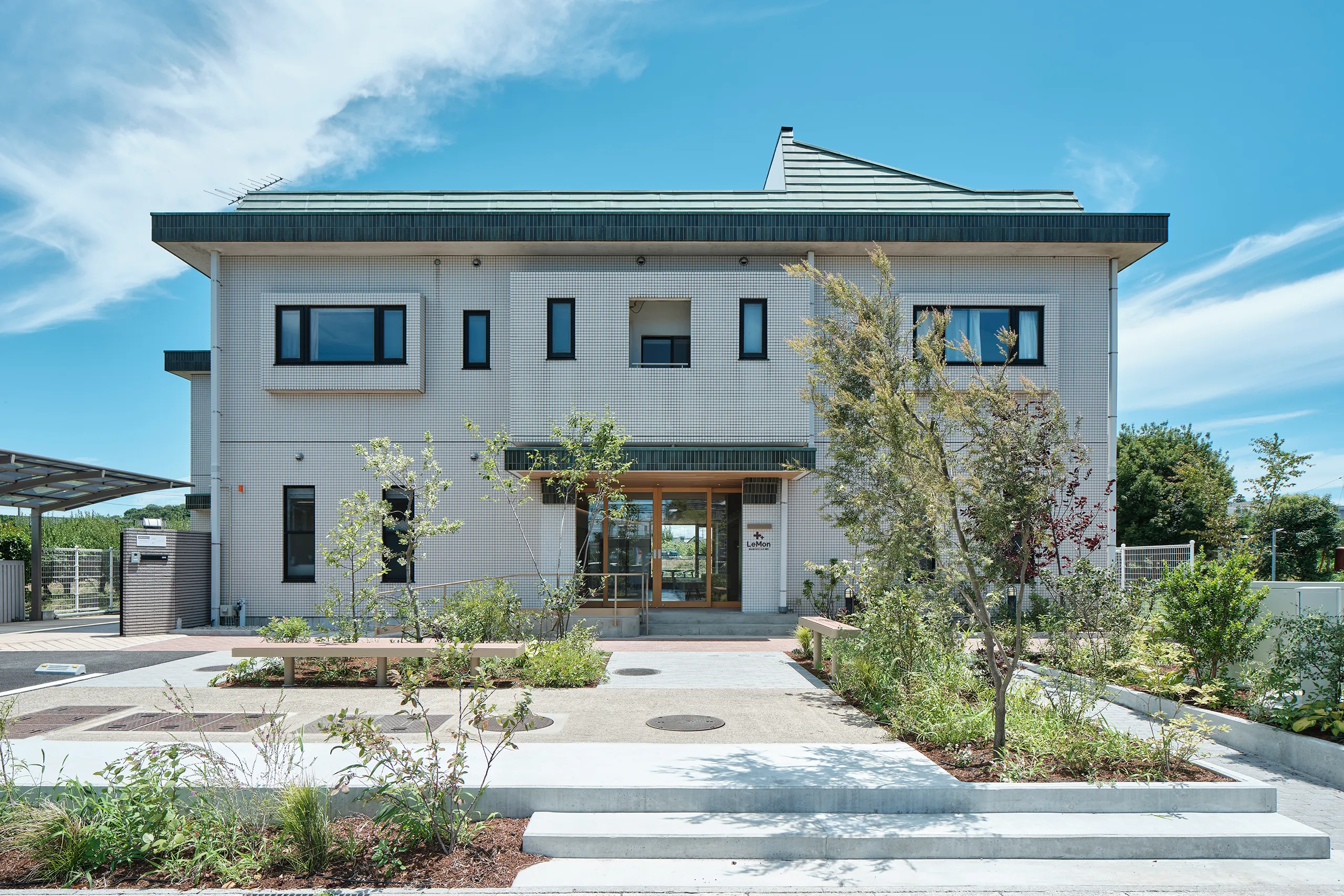
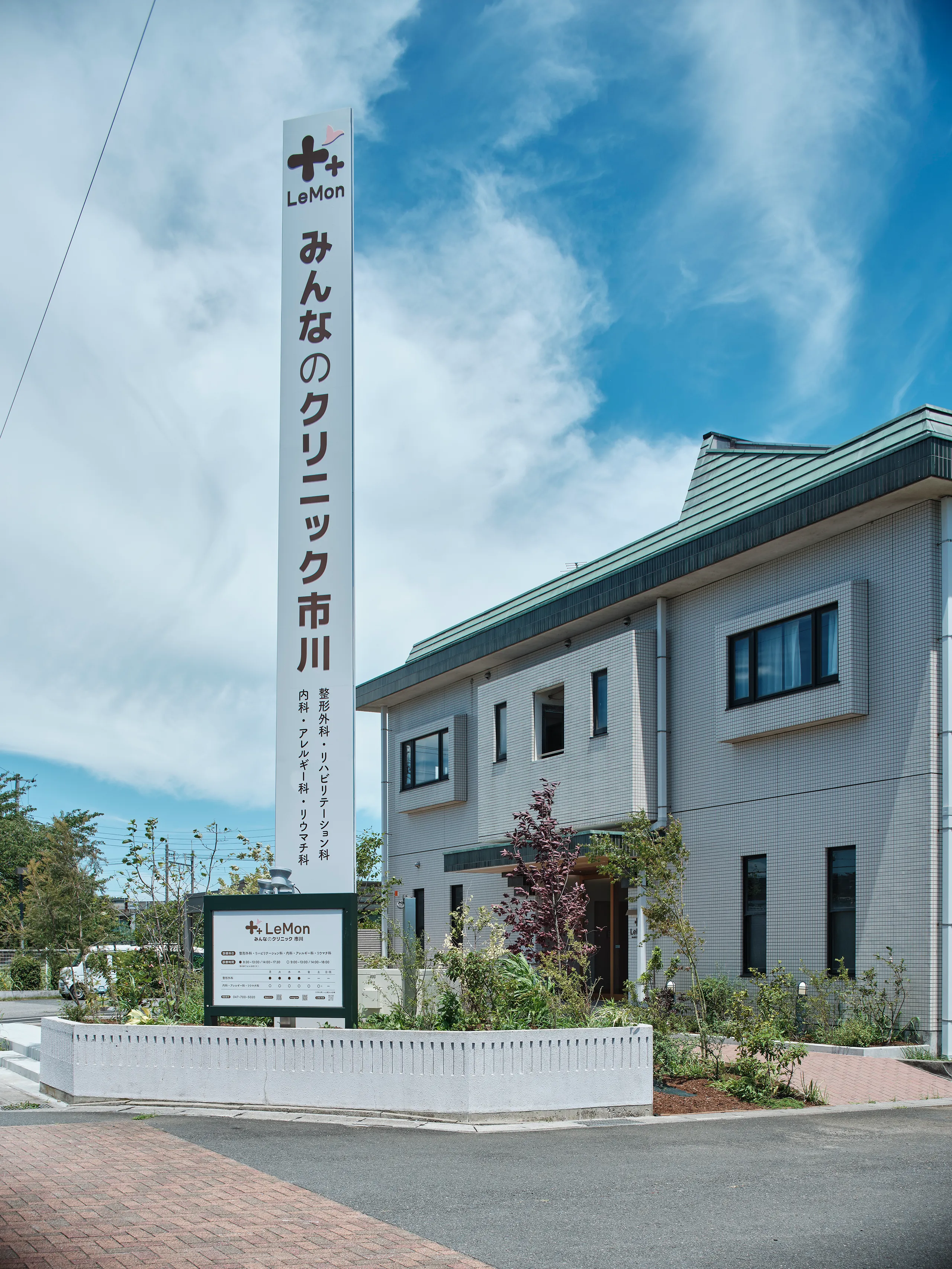
The existing reinforced concrete (RC) building, constructed in the early 1990s as a combined residence and clinic, featured striking architectural details—such as a symmetrical facade, a 10-meter-high signage tower, and a porch adorned with custom-made tiles—that could easily serve as a local icon. However, it previously maintained a closed-off posture toward its surroundings. In renovating this building into a new clinic, our goal was to rediscover the potential of the existing structure while reorganizing it into a welcoming, open space for the town that resonates with the surrounding landscape and the daily lives of the people.
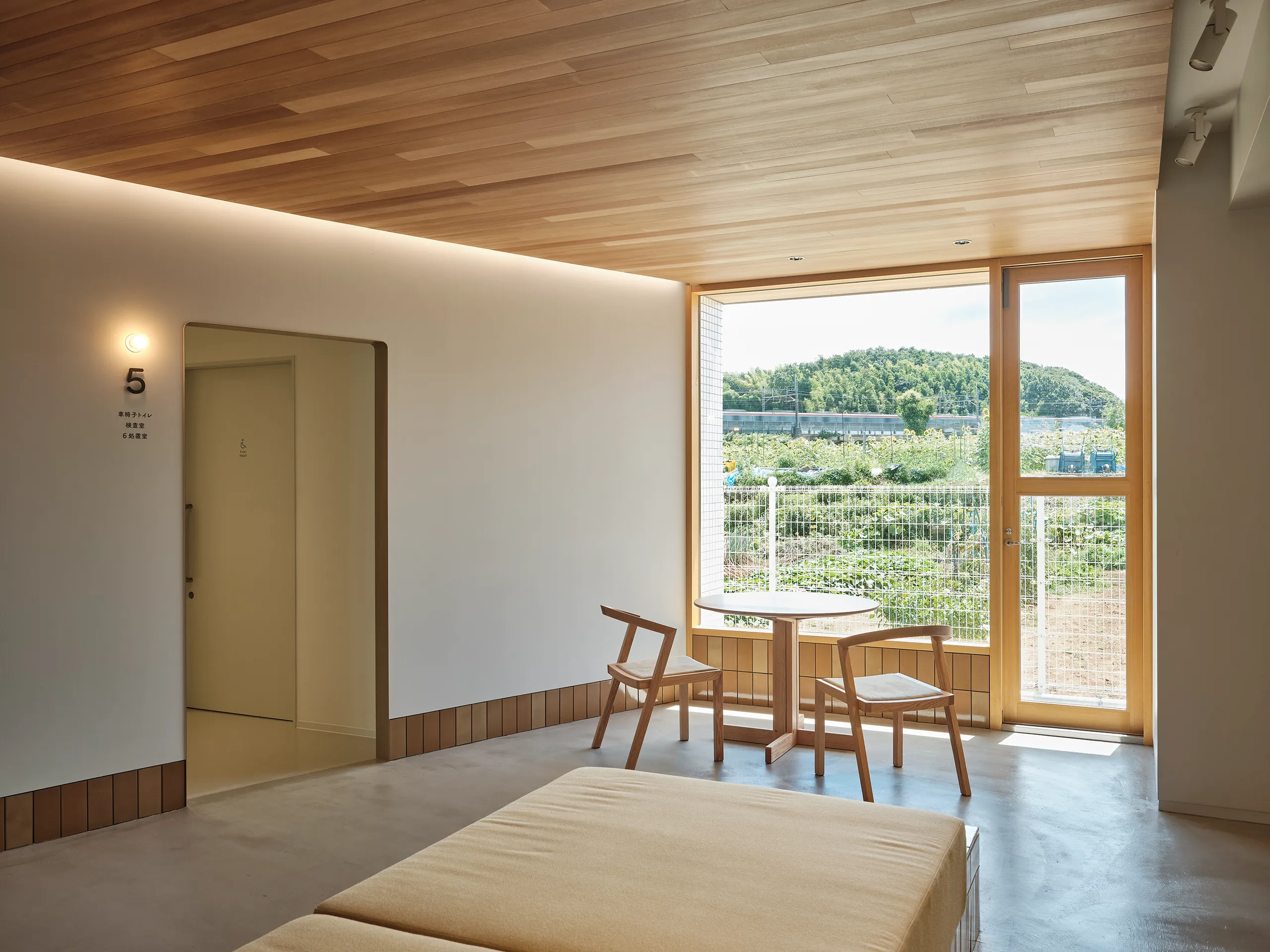
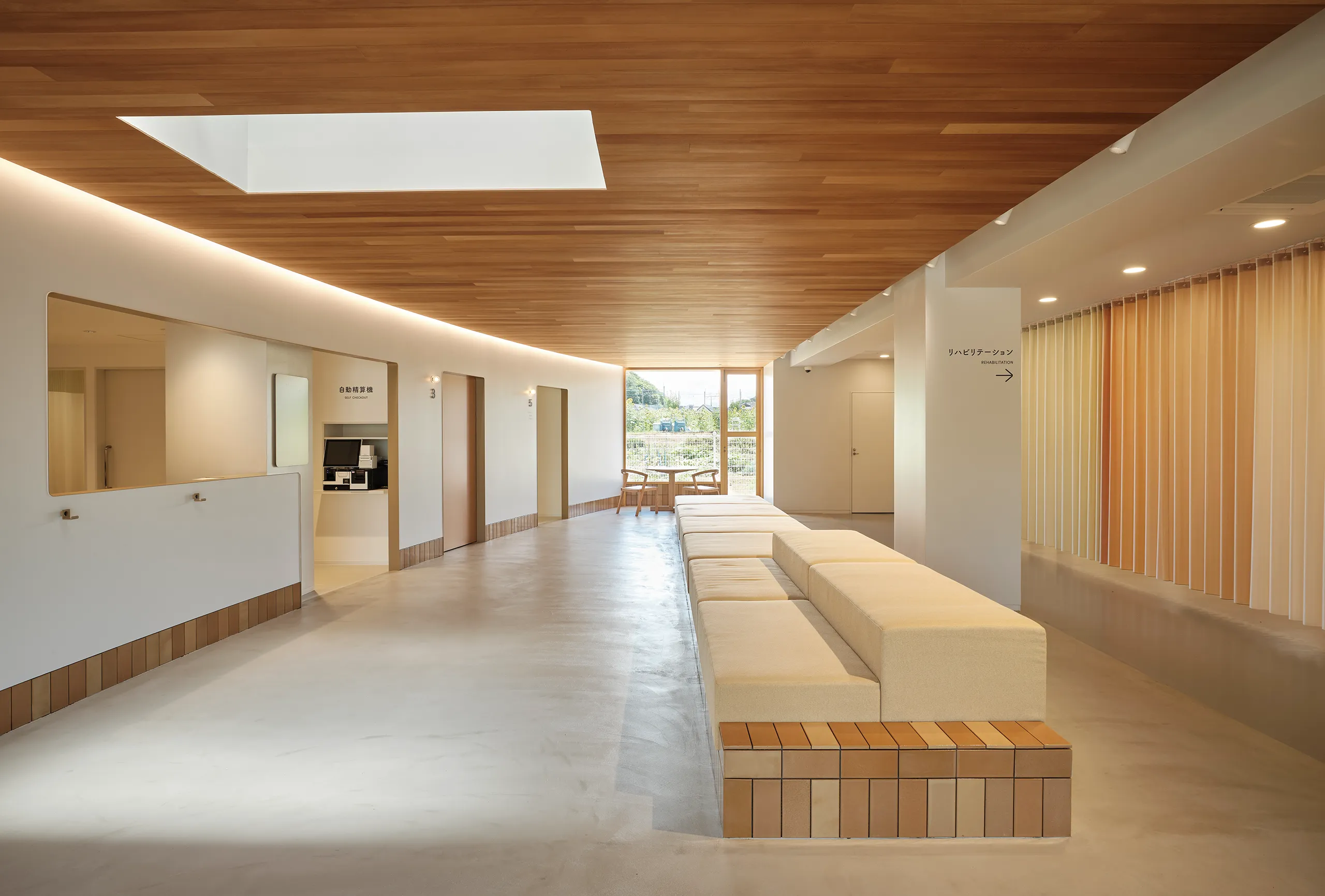
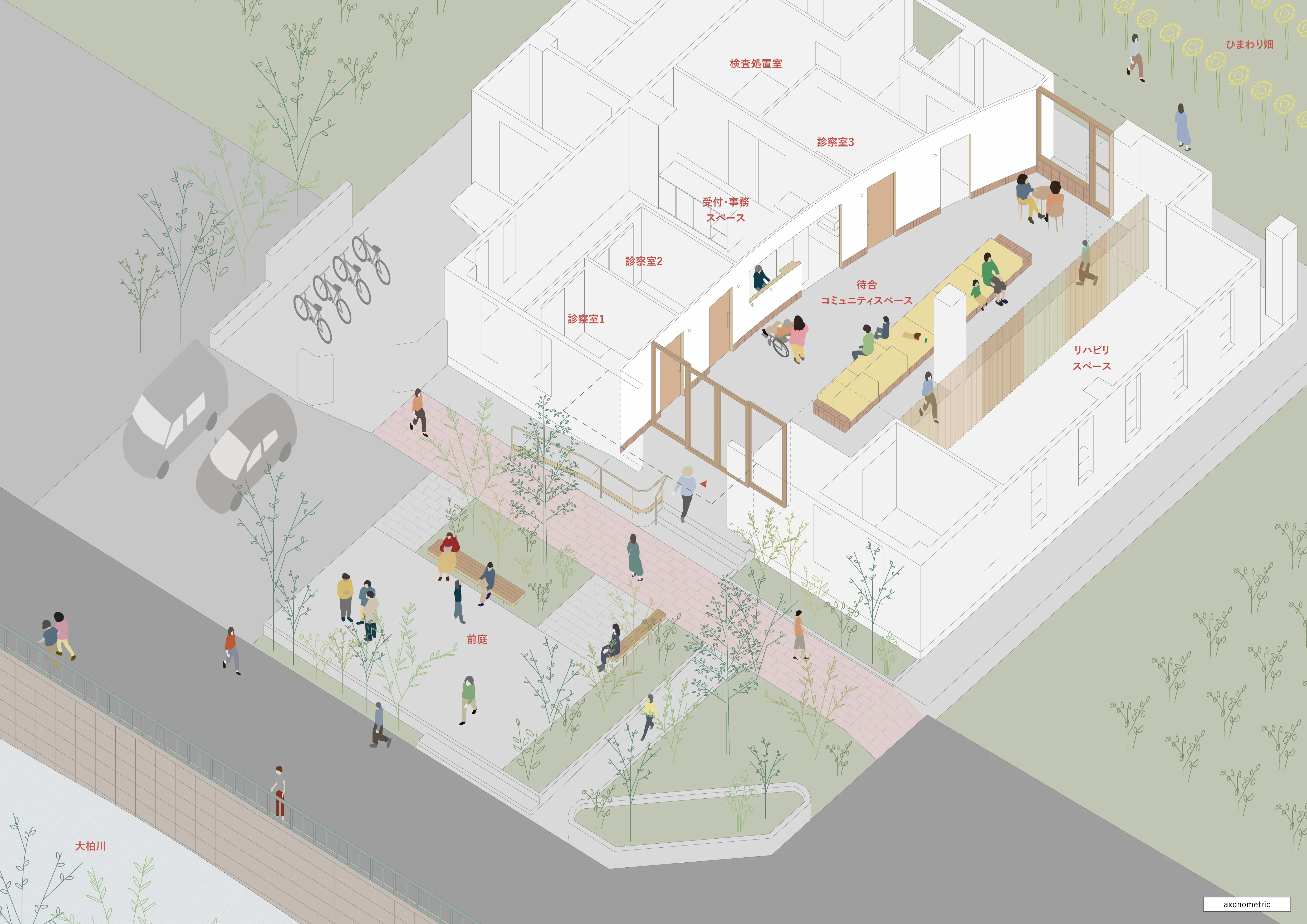
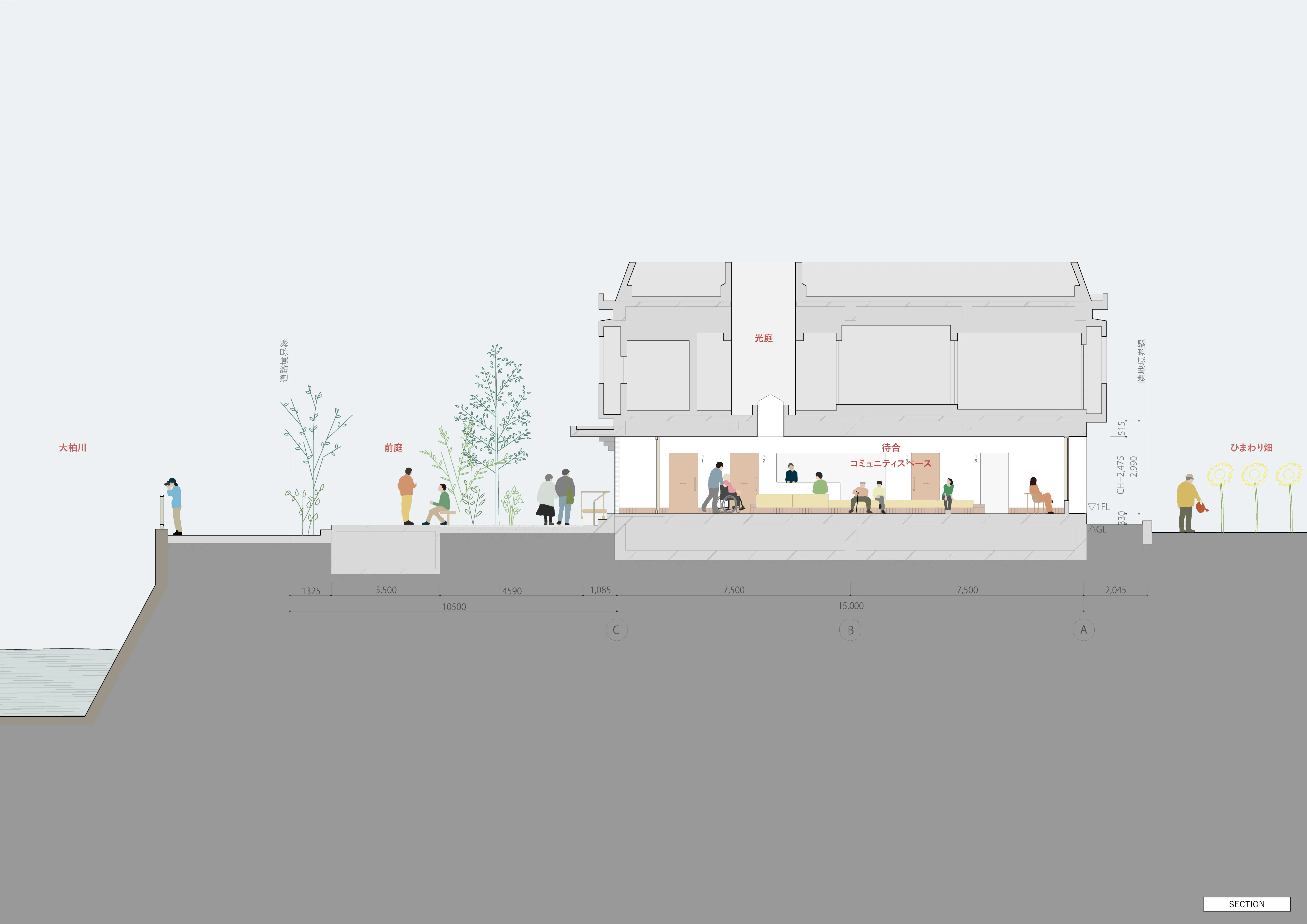
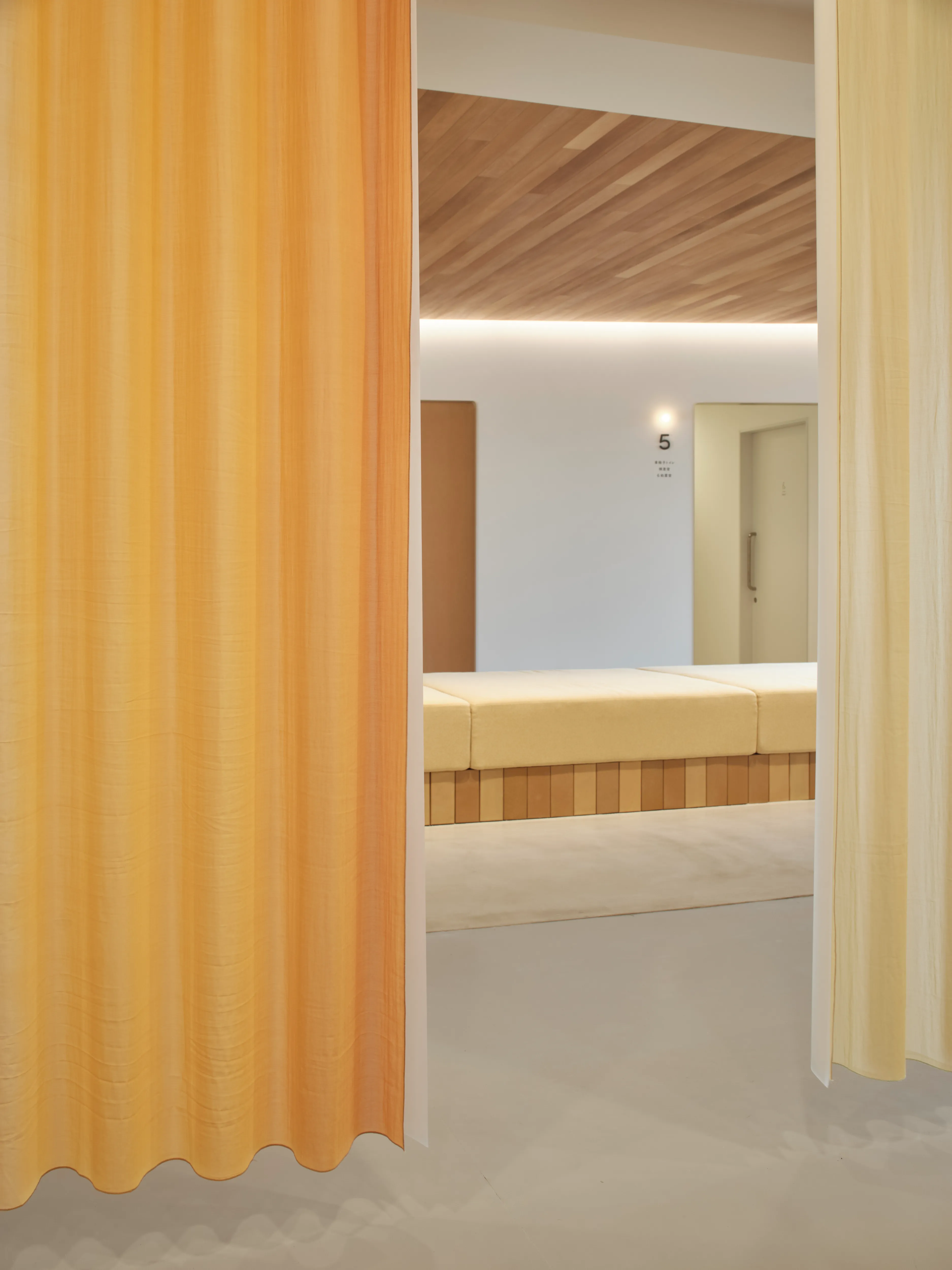
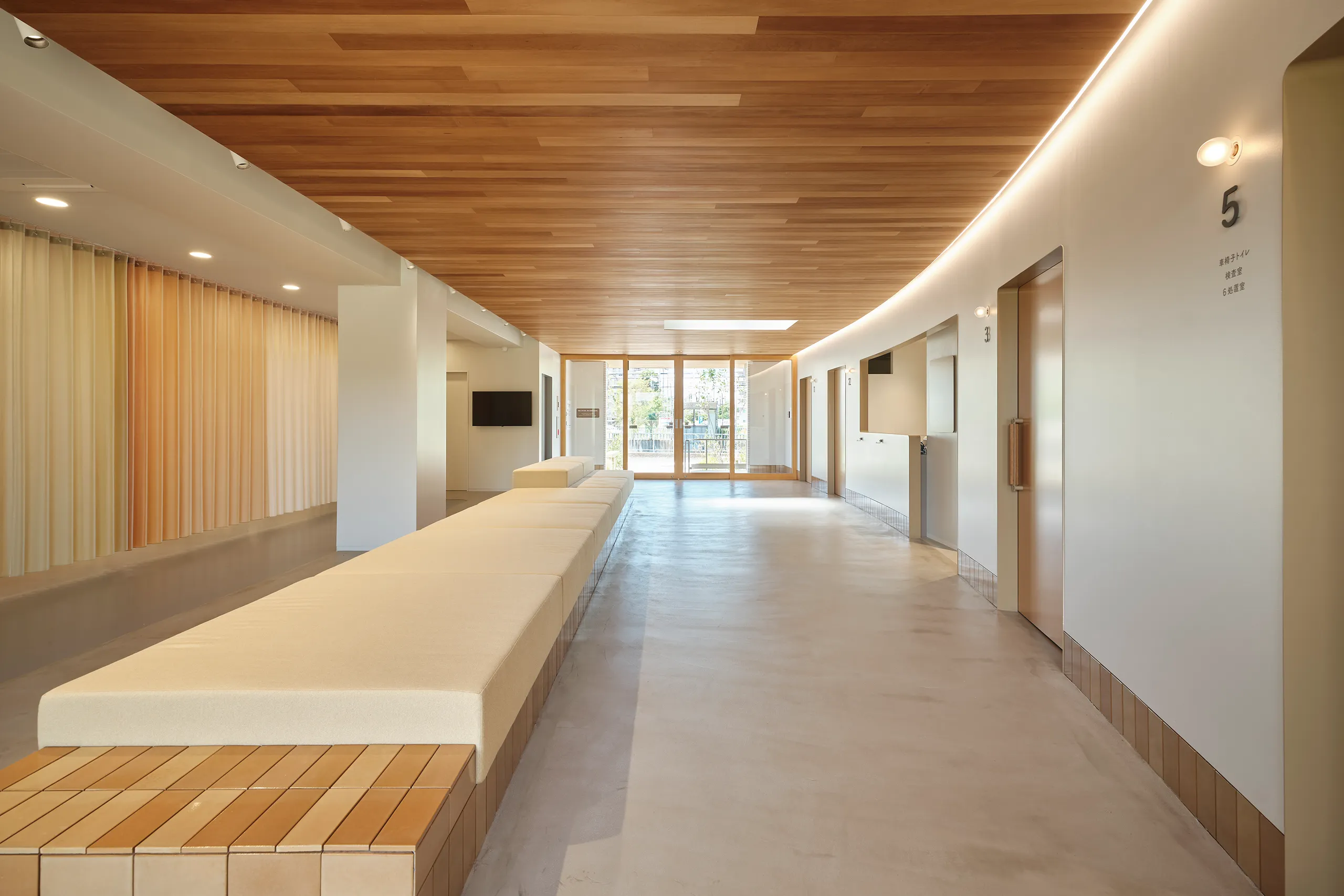
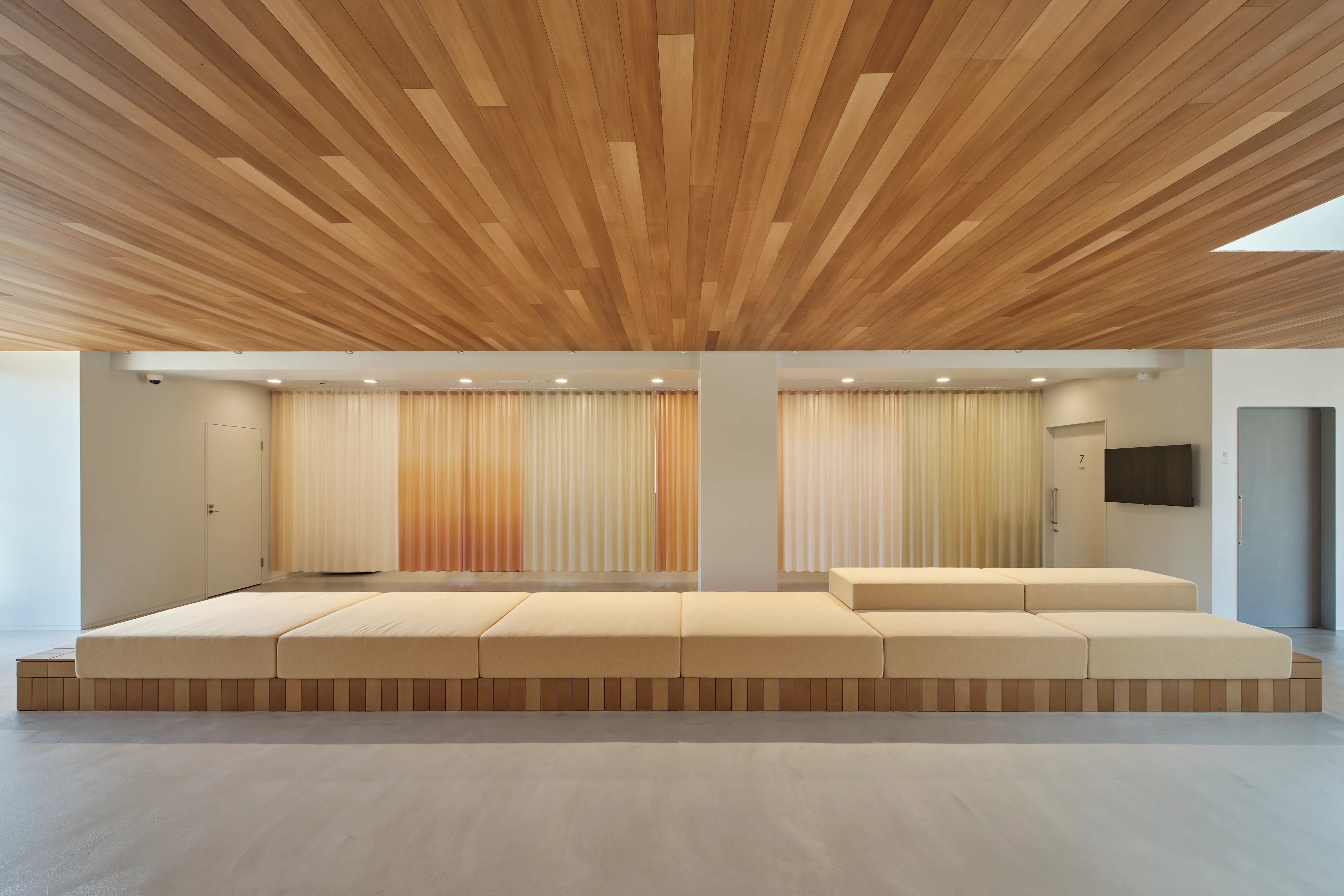
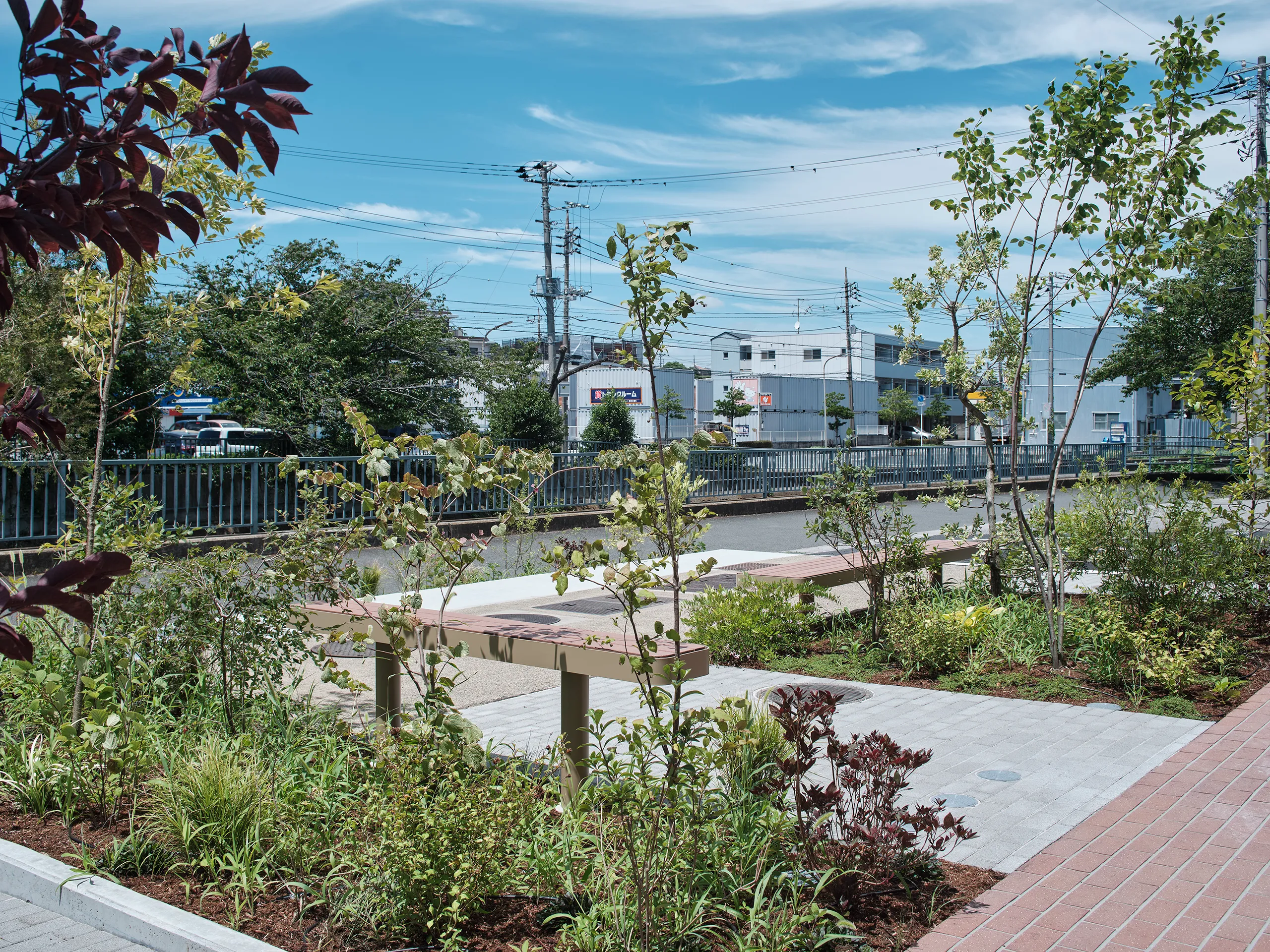
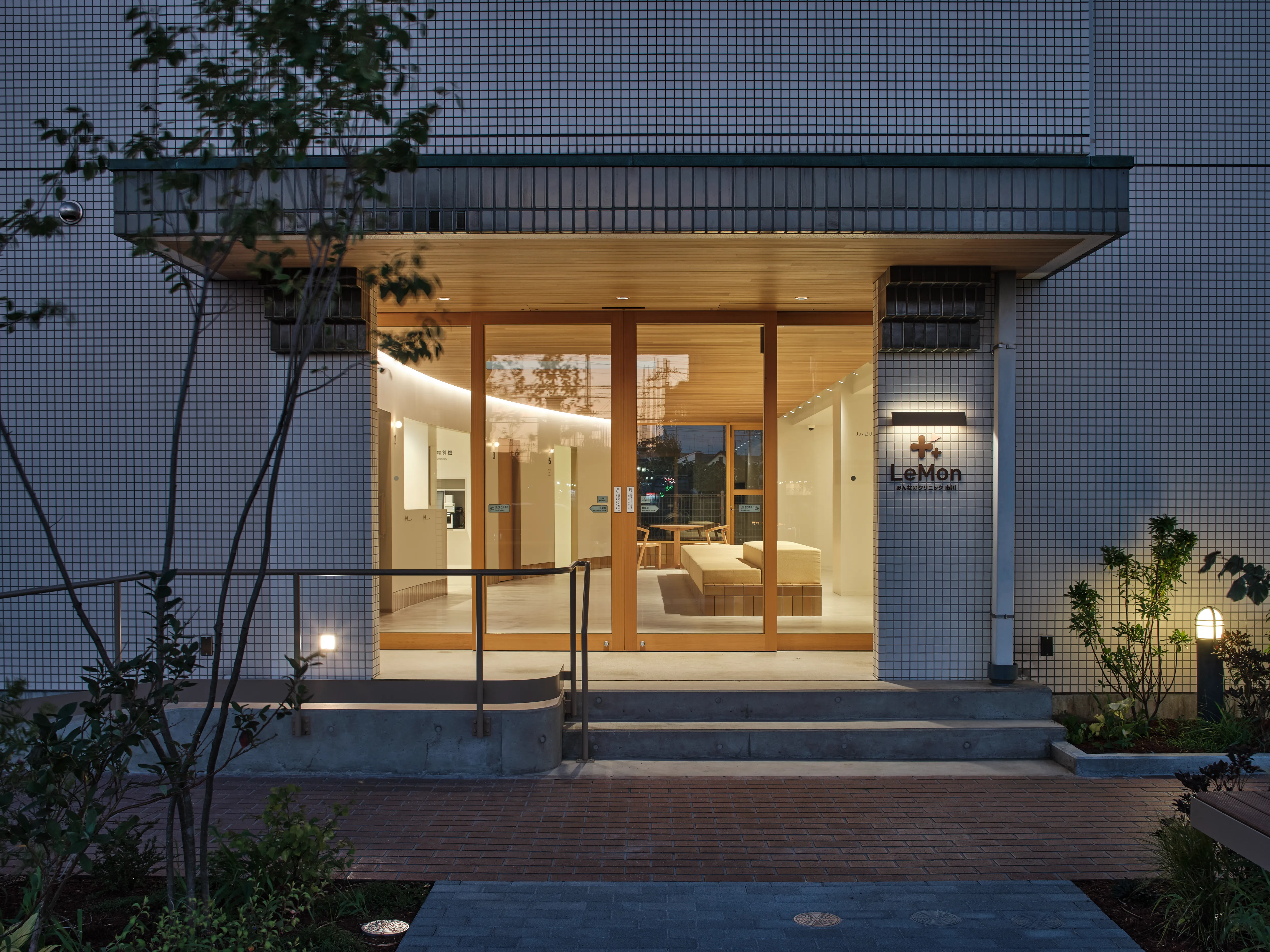
Specifically, we demolished parts of the existing exterior walls to create new openings at the front and back of the building. This established a clear axis that allows sightlines, wind, and light to pass straight through from the western exterior facing the river, through the waiting area, and out toward the eastern scenery of sunflower fields and passing trains. The exterior features landscaping that seamlessly blends with the surroundings, alongside benches where people can sit while waiting or during a walk. By widening the entrance and setting it back inward, we softened the boundary between the interior and exterior. Furthermore, the walls of the waiting space are gently curved to guide the eye from the entrance toward the idyllic landscape unfolding in the back. Situated along this central axis, the waiting area functionally separates the rehabilitation department to the south from the examination, reception, and treatment departments to the north, while still gently connecting the whole. This creates an open floor plan that allows staff to maintain clear visibility across the entire facility.
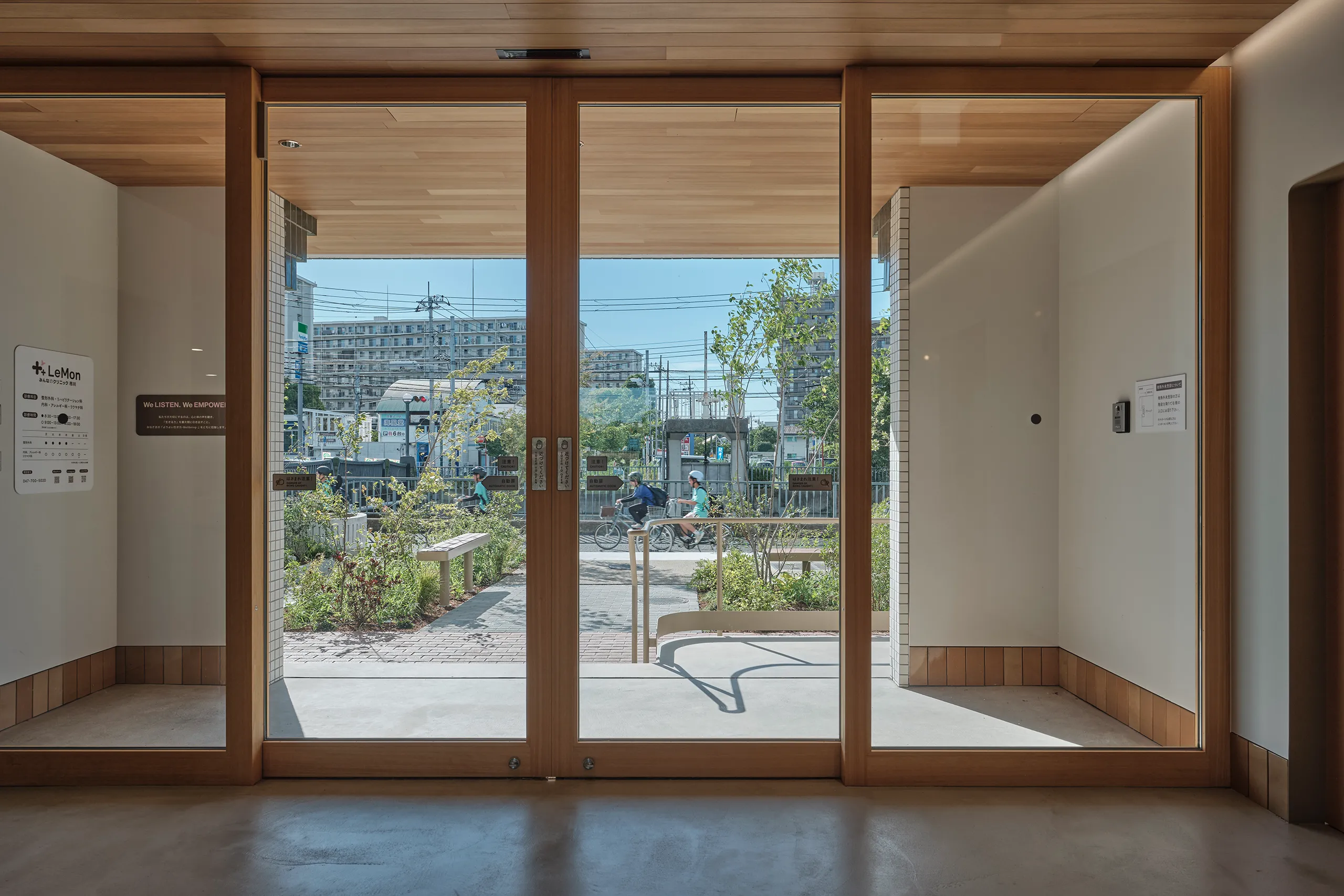
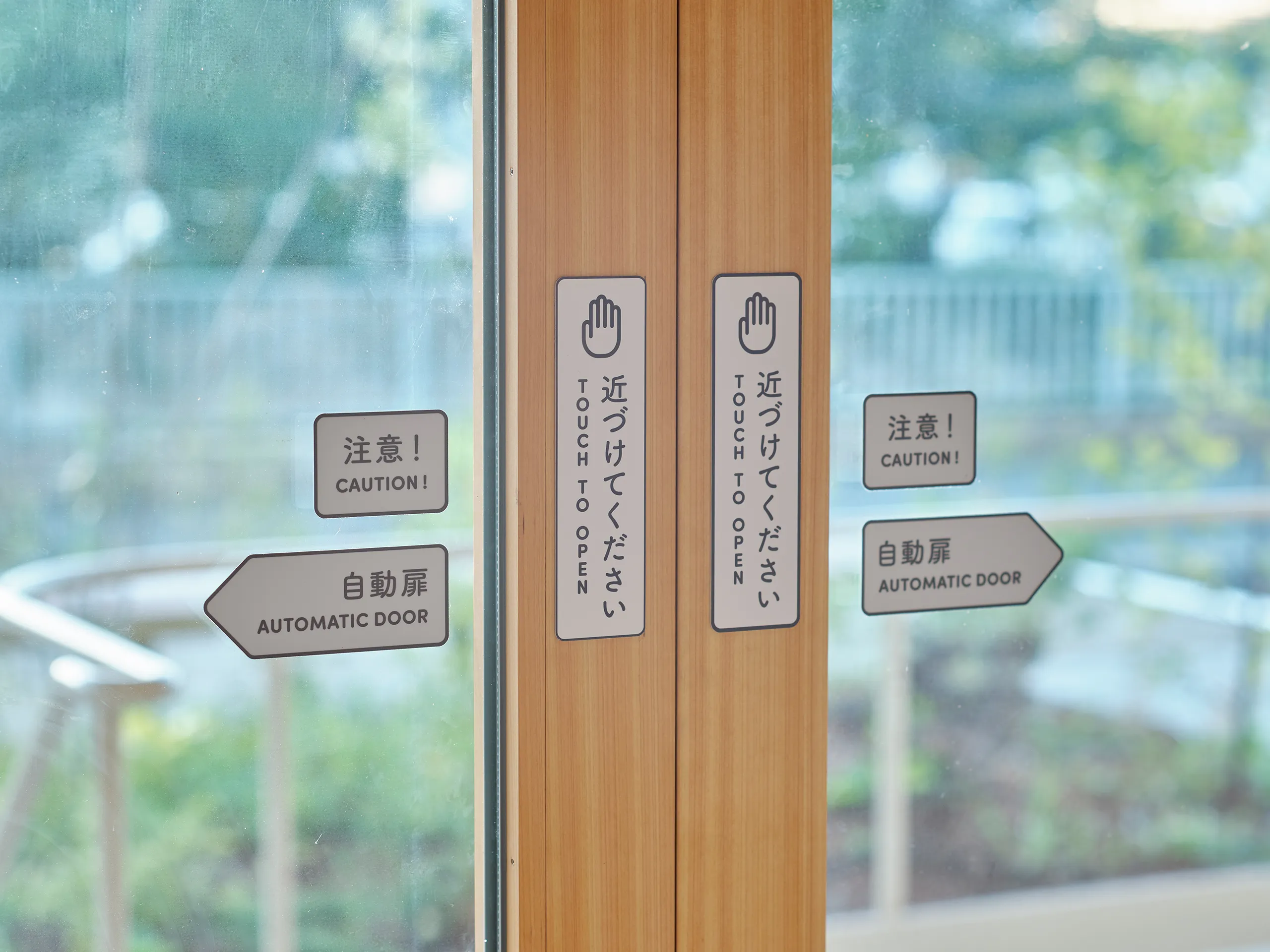
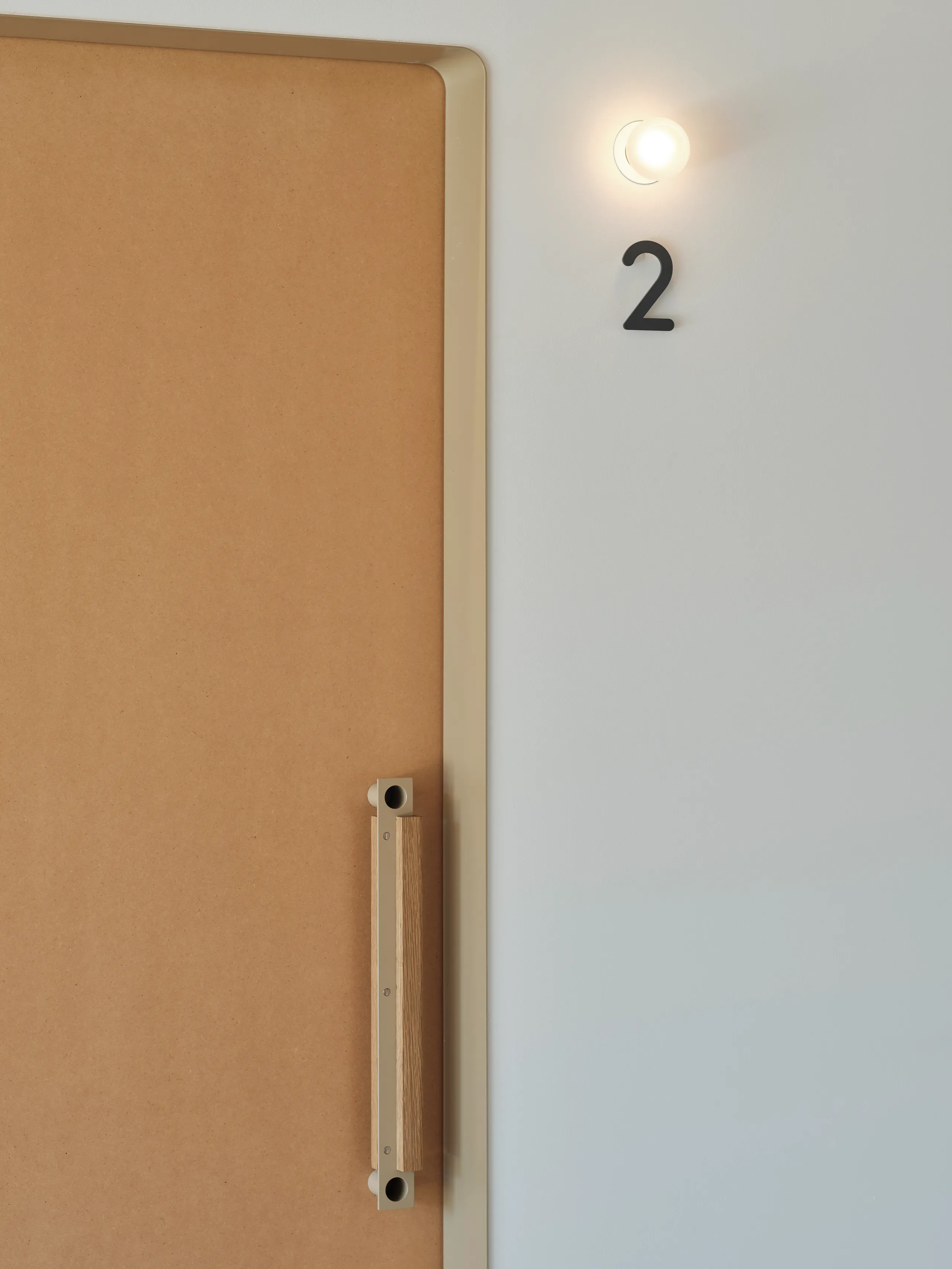
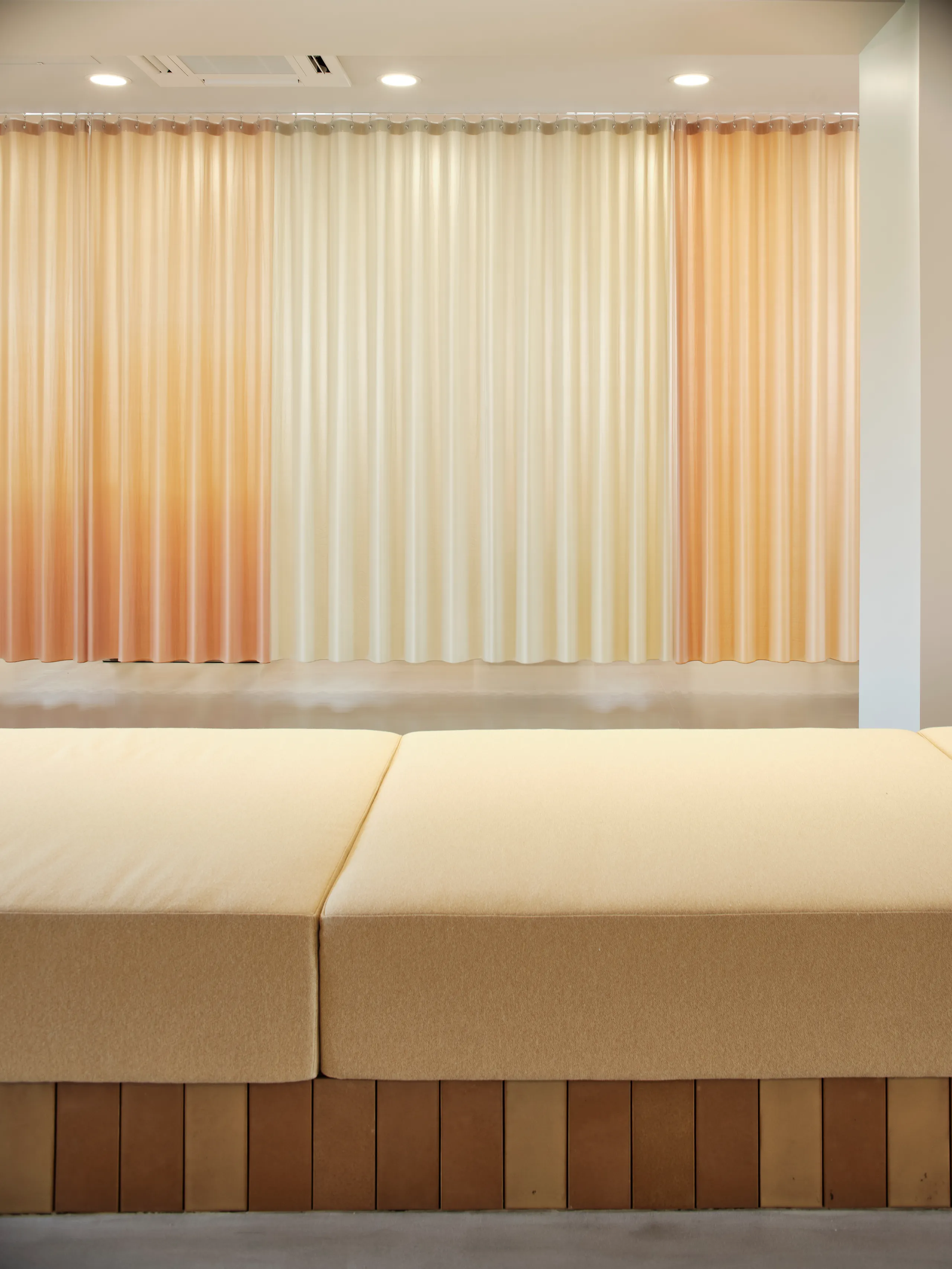
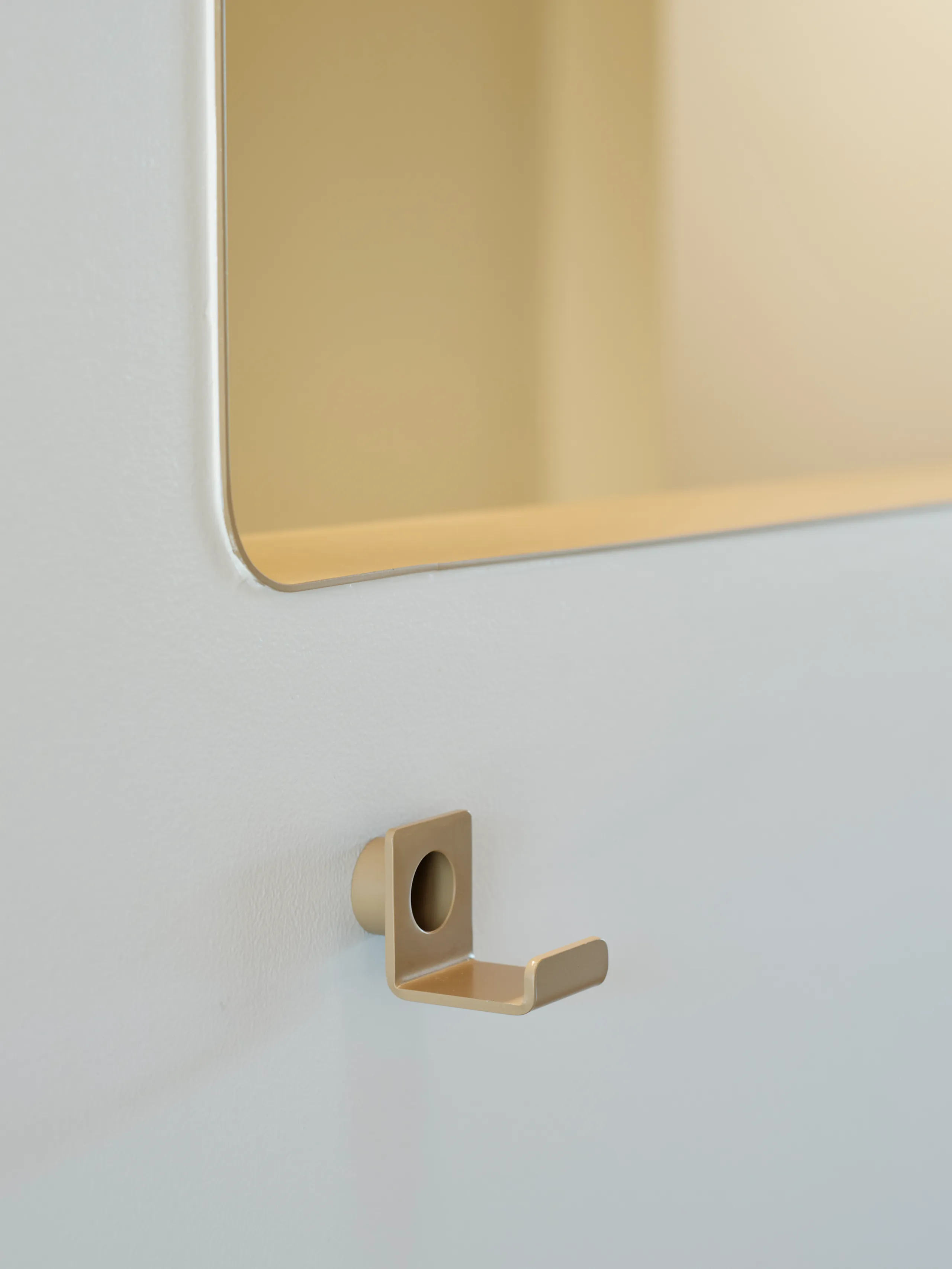
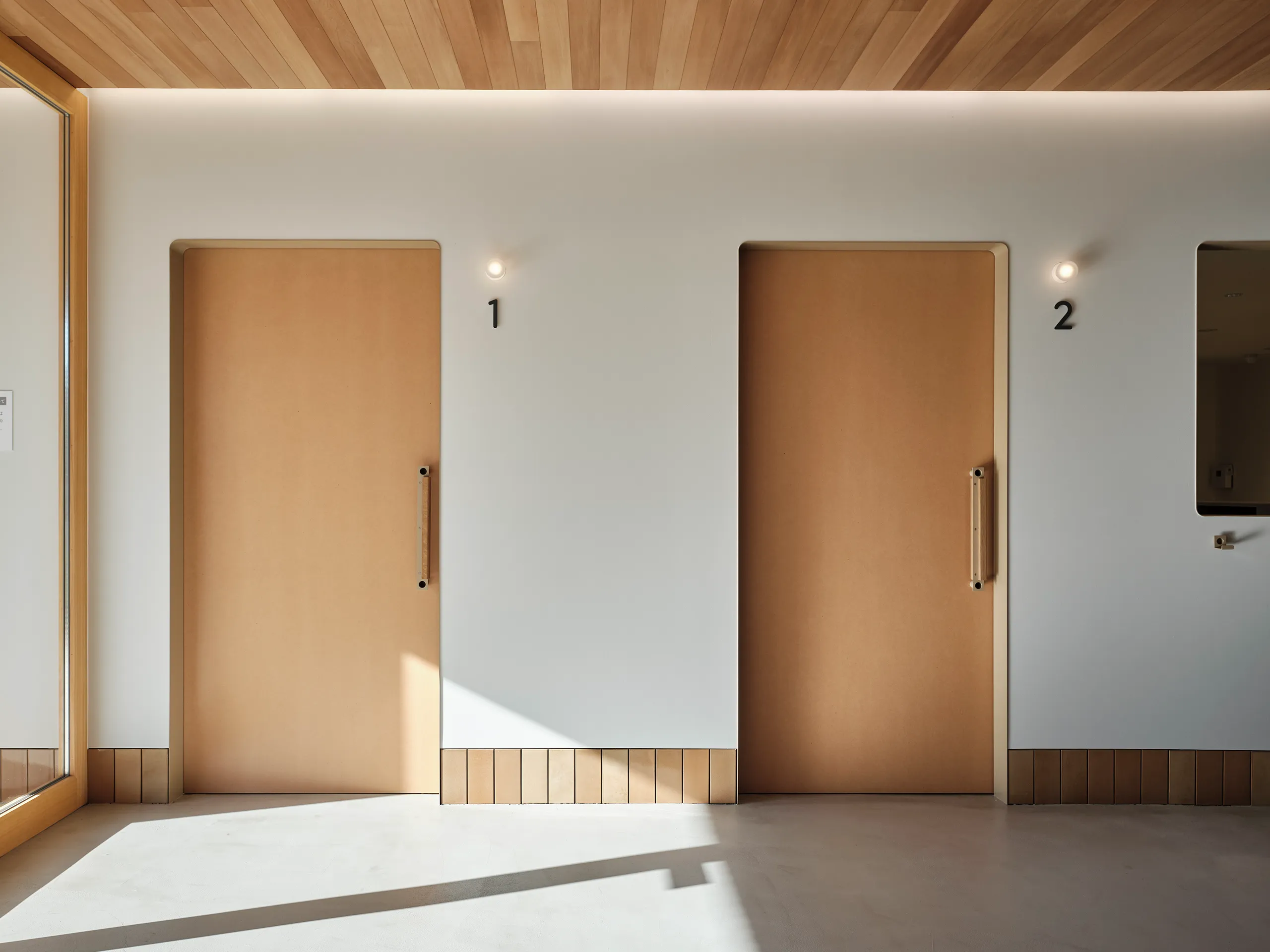
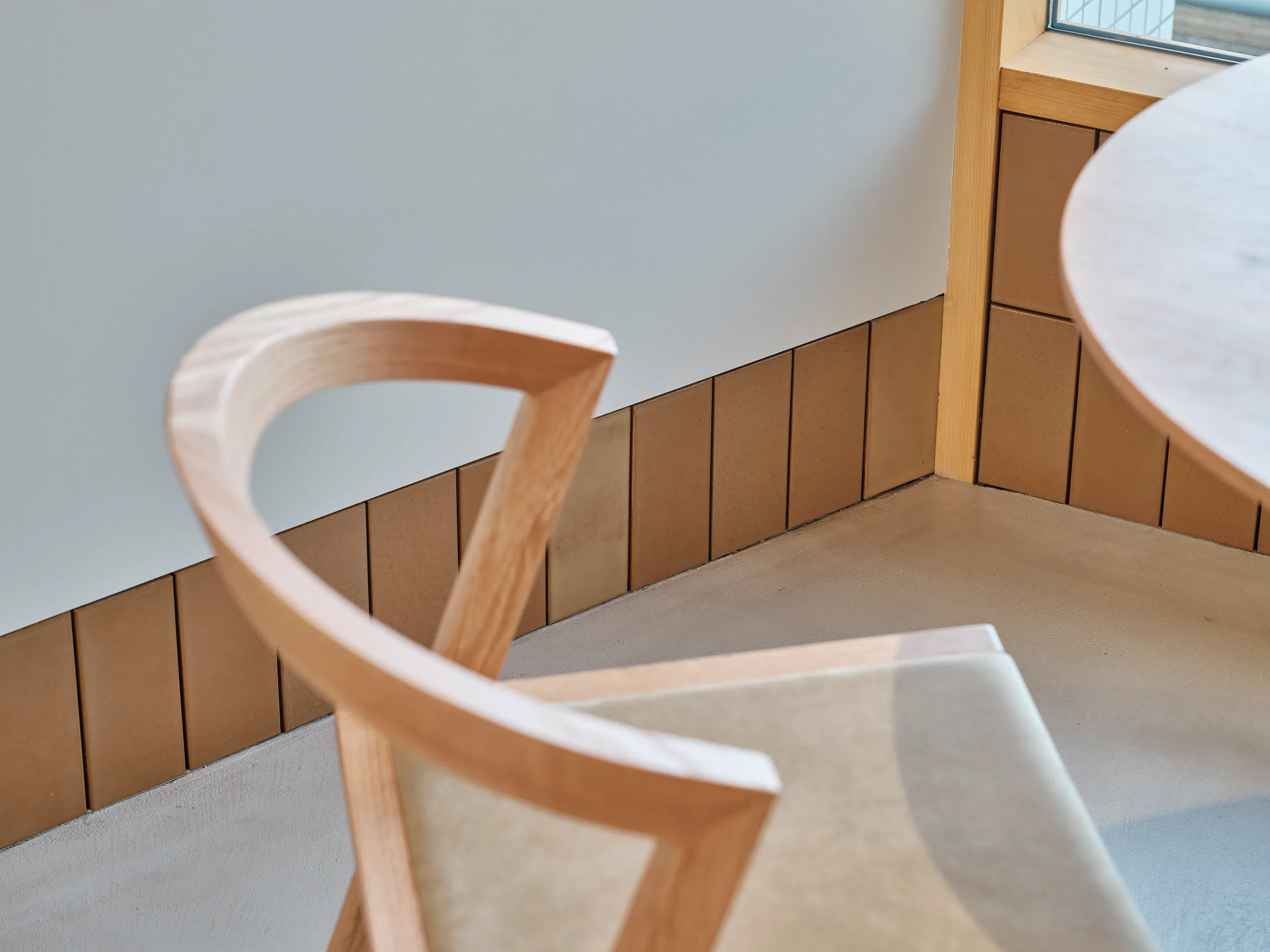
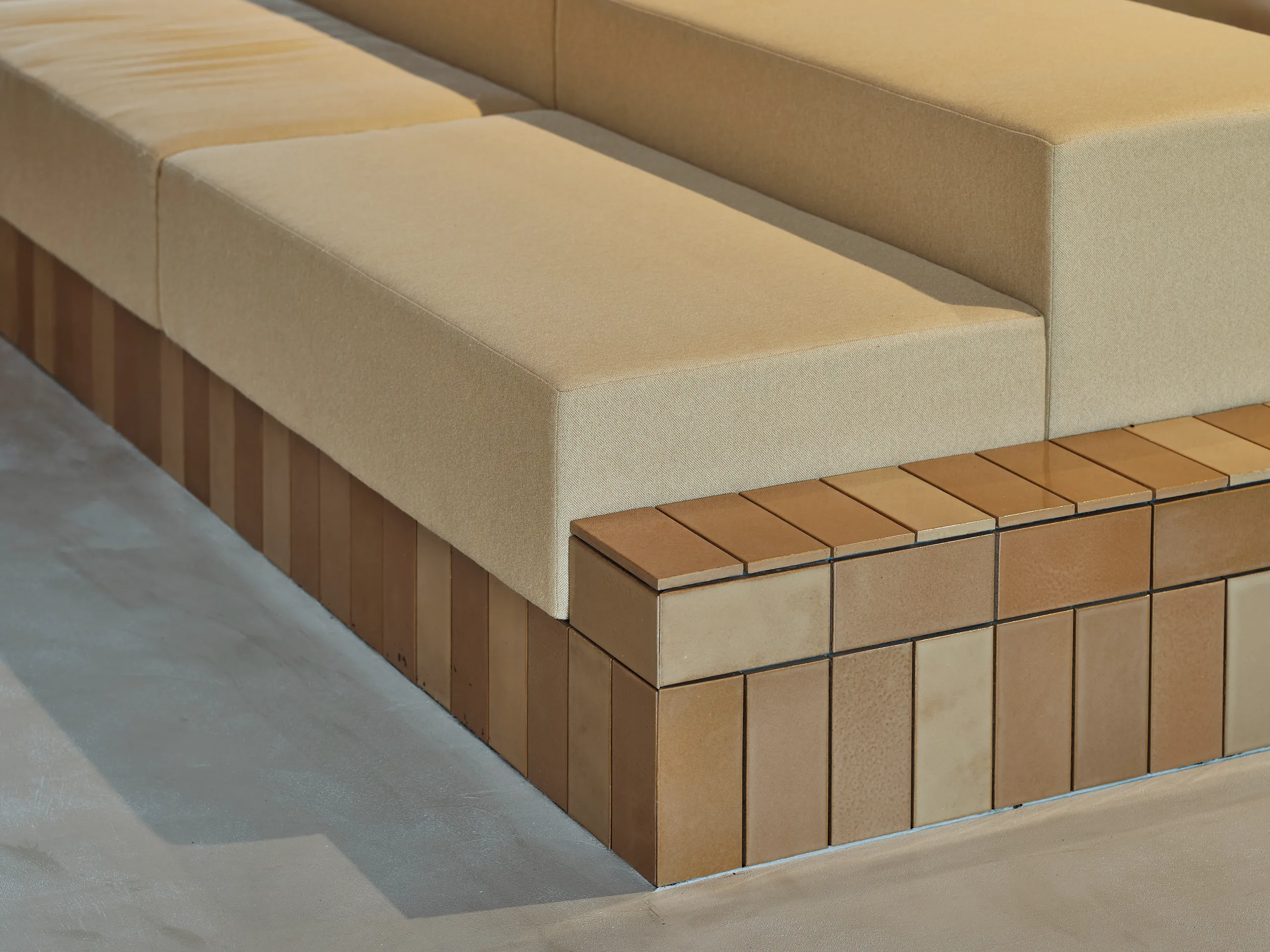
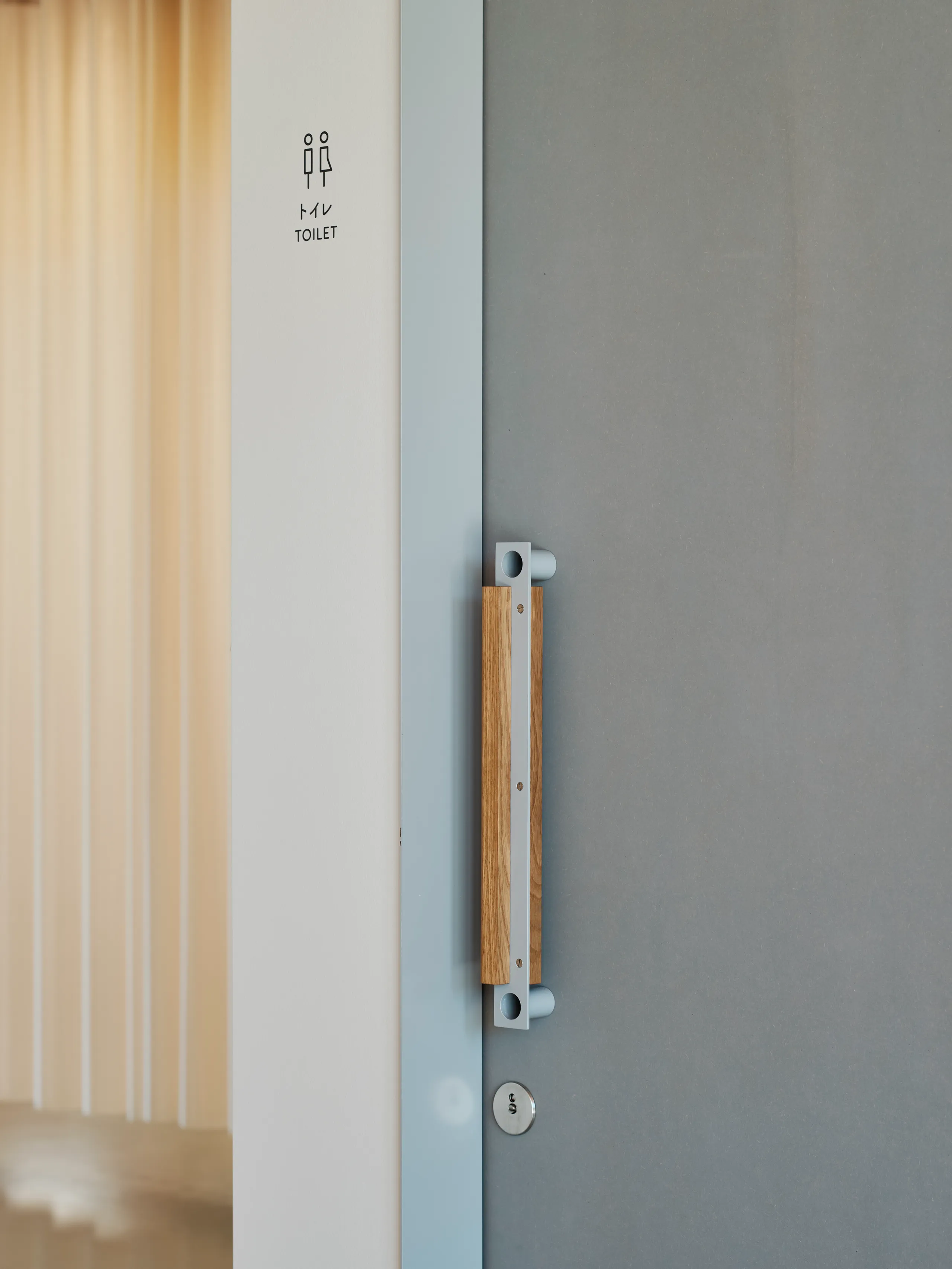
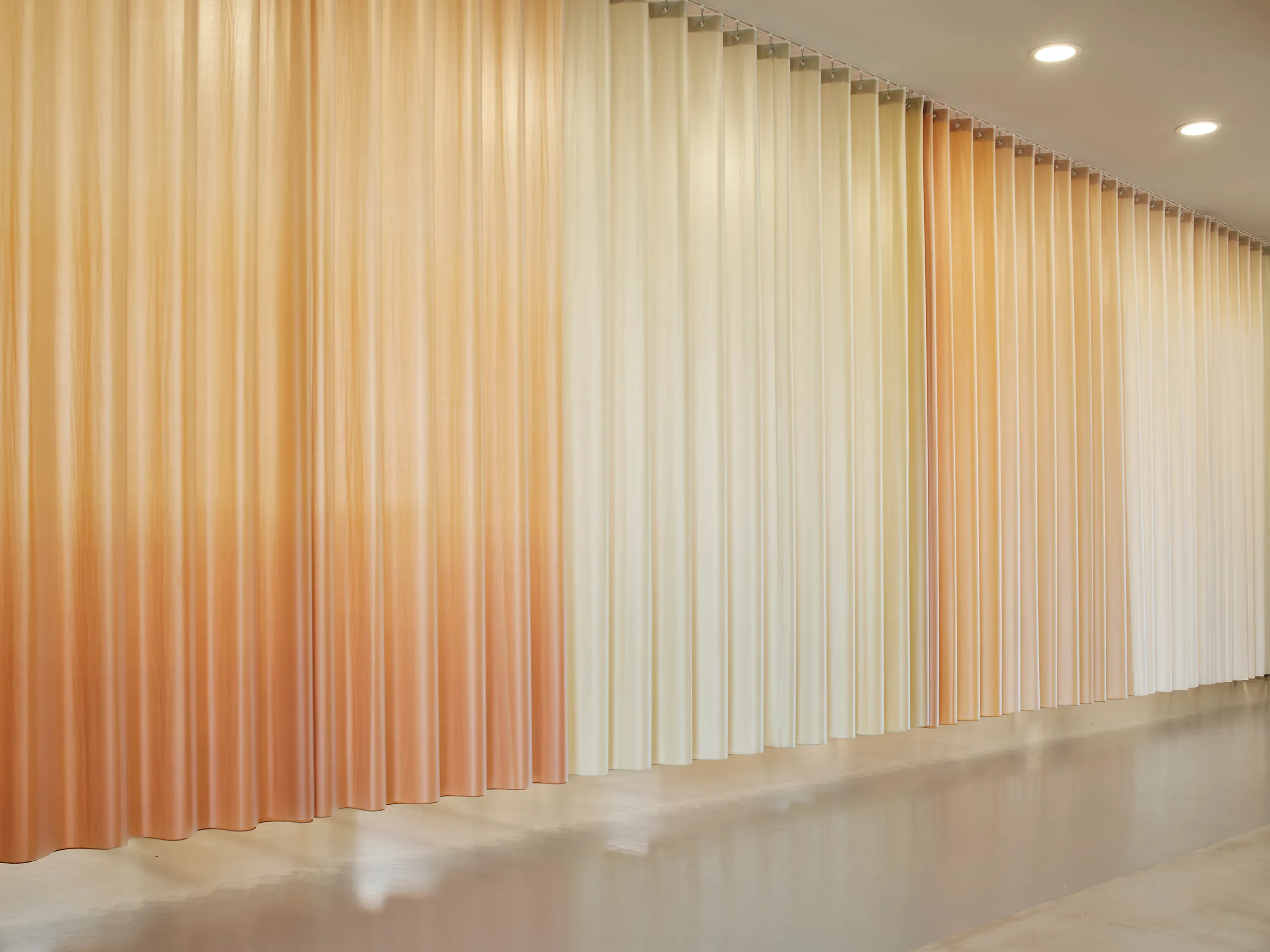
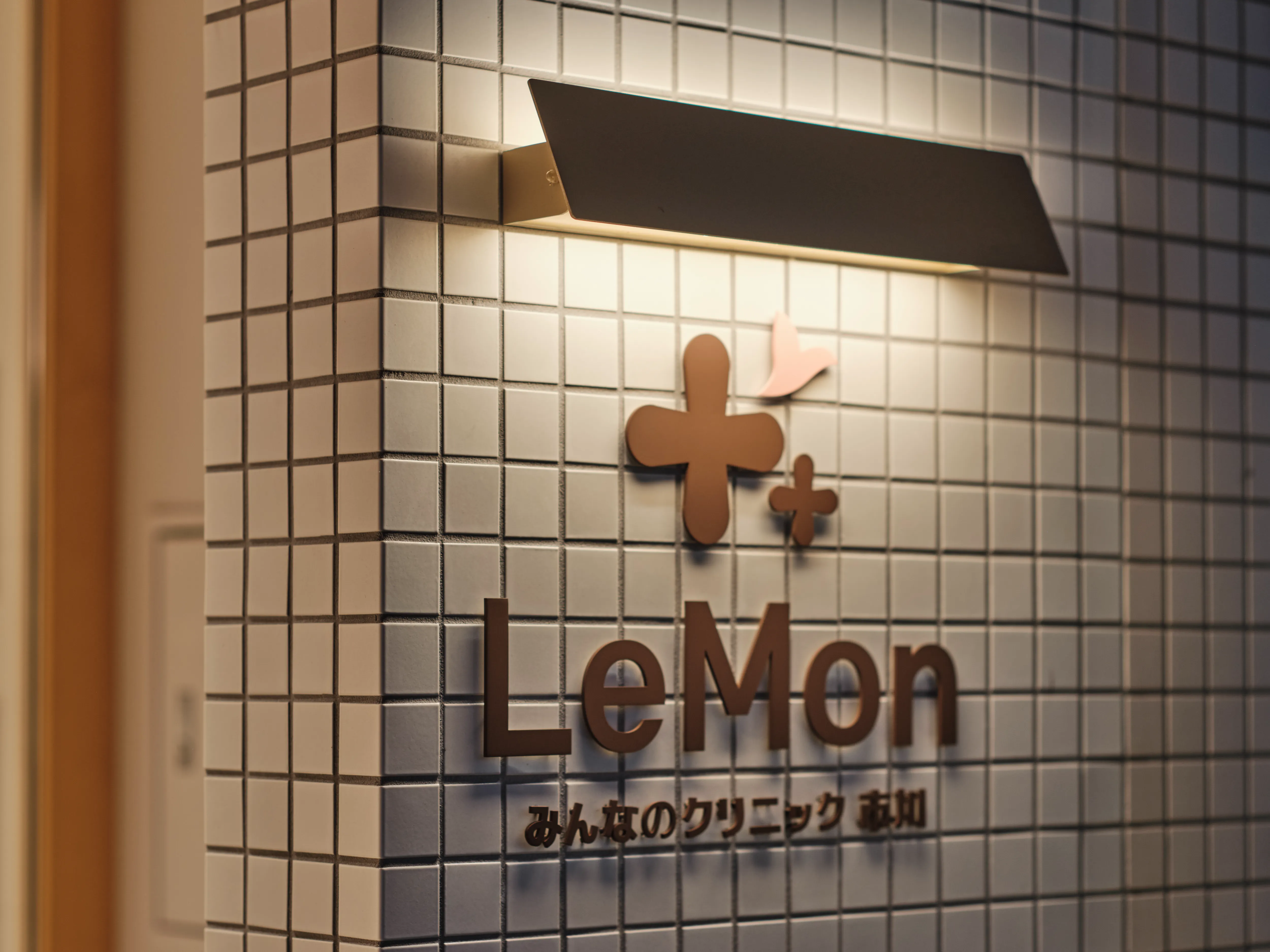
In terms of material selection, we sought harmony with the existing structure. We incorporated a wooden ceiling that continues seamlessly from the porch into the interior, steel fixtures with unified detailing and colors both inside and out, tiles where each piece possesses a unique expression, and curtains dyed by extracting colors from the various surrounding materials. These diverse textures help to ease patients' tension and encourage a relaxed atmosphere.
In this way, rather than merely updating its functions, we proposed a new vision for a clinic open to the town by carefully reconnecting the existing building with its surrounding environment.
Read more
Read less


LeMon Everyone's Clinic Ichikawa
The site is located in an Urbanization Control Area, separated from the adjacent urban district by a river. The cherry-tree-lined riverbank and the expansive fields surrounding the site are well-loved by local residents as a route for their daily walks.
The existing reinforced concrete (RC) building, constructed in the early 1990s as a combined residence and clinic, featured striking architectural details—such as a symmetrical facade, a 10-meter-high signage tower, and a porch adorned with custom-made tiles—that could easily serve as a local icon. However, it previously maintained a closed-off posture toward its surroundings. In renovating this building into a new clinic, our goal was to rediscover the potential of the existing structure while reorganizing it into a welcoming, open space for the town that resonates with the surrounding landscape and the daily lives of the people.
Specifically, we demolished parts of the existing exterior walls to create new openings at the front and back of the building. This established a clear axis that allows sightlines, wind, and light to pass straight through from the western exterior facing the river, through the waiting area, and out toward the eastern scenery of sunflower fields and passing trains. The exterior features landscaping that seamlessly blends with the surroundings, alongside benches where people can sit while waiting or during a walk. By widening the entrance and setting it back inward, we softened the boundary between the interior and exterior. Furthermore, the walls of the waiting space are gently curved to guide the eye from the entrance toward the idyllic landscape unfolding in the back. Situated along this central axis, the waiting area functionally separates the rehabilitation department to the south from the examination, reception, and treatment departments to the north, while still gently connecting the whole. This creates an open floor plan that allows staff to maintain clear visibility across the entire facility.
In terms of material selection, we sought harmony with the existing structure. We incorporated a wooden ceiling that continues seamlessly from the porch into the interior, steel fixtures with unified detailing and colors both inside and out, tiles where each piece possesses a unique expression, and curtains dyed by extracting colors from the various surrounding materials. These diverse textures help to ease patients' tension and encourage a relaxed atmosphere.
In this way, rather than merely updating its functions, we proposed a new vision for a clinic open to the town by carefully reconnecting the existing building with its surrounding environment.
Read more
Read less
2025.05
Location:
Chiba, Japan
Client:
Jikokai Medical Corporation
Status:
Built
Program:
Clinic
Team
Direction: Hiroaki Suzuki
Design: Mire Kan, Yoshifumi Hashimoto,
Yusaku Kimura
Collaborators
Construction: Cabbage Truck
Lighting Design: modulex
Environmetal Design: Masamichi Oura
Signage Design: Misako Taoka/REFLECTA,Inc
Curtain Design: some/to
Furniture: Inoueindustries
Steel: Nakamuranaka
Tile: MIZUNO SEITOEN LAB.
Ceiling Wood Paneling: Tanaka Sawmill Ltd.
Landscape Design: EN LANDSCAPE DESIGN
Photographer: Akira Nakamura


